Solo traveler-friendly social group cooking class designed for meeting new friends in Ubud
FOOD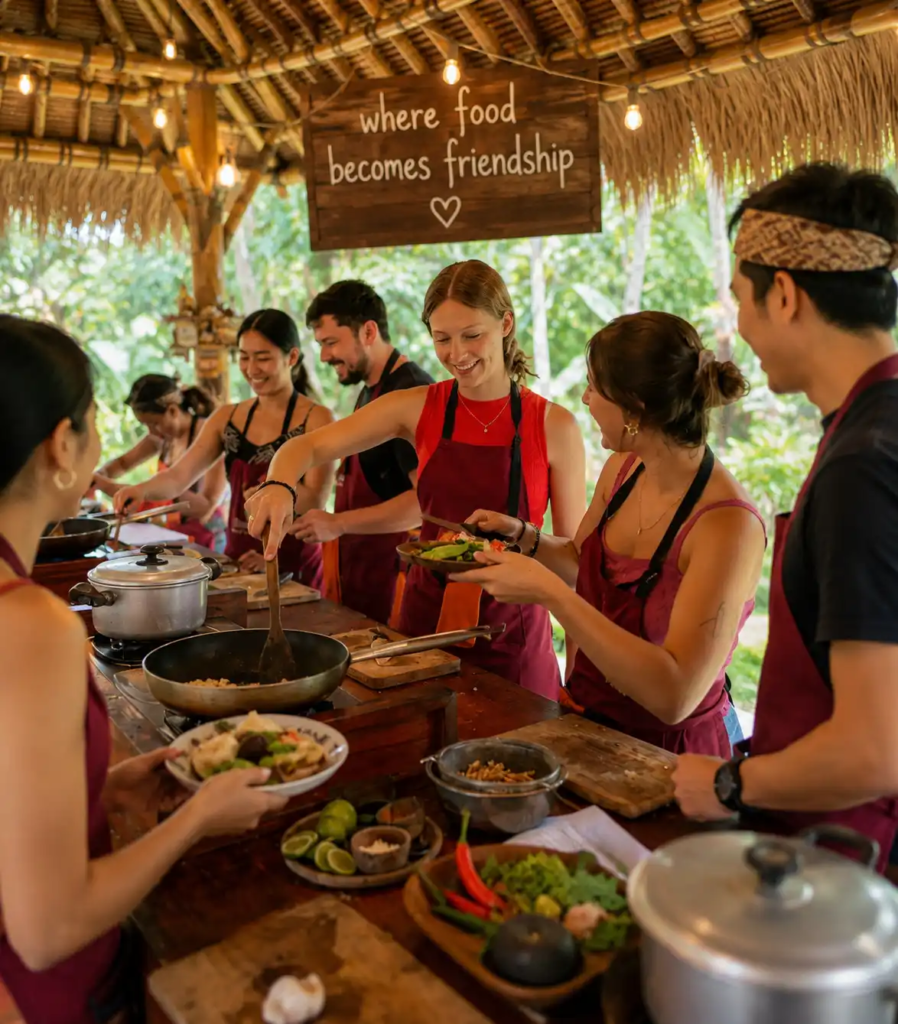
Ubud sits at the very heart of Bali, cradled by emerald-green rice paddies, dense rainforests, Ubud cooking class and centuries-old spiritual shrines. Renowned across the globe as a sanctuary for artists, yogis, and culture seekers, this vibrant jungle town offers countless ways to unwind and explore. However, for those looking to truly connect with the island’s soul, nothing compares to heading into the kitchen. Booking an Ubud cooking class provides an extraordinary hands-on journey that goes far beyond simple food preparation, serving as a profound introduction to local heritage, community values, and time-honored culinary rituals.
Dawn at the Market: Discovering Indigenous Ingredients
The adventure of a traditional Ubud cooking class almost always begins in the early morning hours, well before the tropical heat reaches its peak. A guided excursion through a bustling local market forms an essential chapter of the day, offering a lively introduction to everyday Balinese commerce and community life.
Navigating the vibrant aisles reveals an explosion of color, sound, and scent. Stalls are piled high with tropical fruits like snake fruit and mangosteen, alongside woven baskets brimming with roots and spices. Accompanied by an expert chef, participants learn how to choose the freshest produce while discovering the foundation of island cuisine:
- Basa Genep: The master spice paste that provides the savory base for almost every traditional Balinese dish.
- Aromatic Roots: Bright orange turmeric, pungent ginger, and earthy galangal harvested from local soil.
- Fresh Botanicals: Fragrant stalks of lemongrass, wild shallots, garlic, and kaffir lime leaves.
Engaging directly with local vendors offers a unique, unfiltered glimpse into neighborhood traditions, trading etiquette, and the rich agricultural bounty that sustains the island.
From Earth to Plate: The Organic Farm Experience
Following the market tour, culinary itineraries typically move guests away from the town center to open-air pavilions nestled against cascading rice terraces or family-operated organic farms. These stunning environments physically embody Tri Hita Karana, the core Balinese Hindu philosophy emphasizing harmony between humanity, nature, and the divine.
Cooking schools set on working organic farms invite students to wander through lush rows of vegetation to harvest fresh herbs, greens, and chilies with their own hands. Plucking a fresh stalk of lemongrass or picking vibrant basil straight from the earth bridges the gap between raw agriculture and the kitchen. Surrounded by the gentle rustle of palm fronds and distant bird calls, participants settle into personalized outdoor workstations designed to foster an intimate learning atmosphere.
Mastering the Craft of Basa Genep and Heritage Recipes
The true magic behind the complex, layered flavors of Balinese food lies in the physical dedication required to grind raw ingredients. In an authentic Ubud cooking class, electric blenders are bypassed in favor of traditional volcanic stone mortars and heavy wooden pestles. Guided patiently by local instructors—frequently addressed warmly as Ibu (mother)—students learn the rhythmic, meditative art of pounding roots, nuts, and spices until they meld into a smooth, deeply fragrant paste.
The cooking menu typically features a diverse spread of traditional dishes that showcase a variety of preparation techniques:
- Sate Lilit: Finely minced fish, chicken, or pork blended with grated coconut and aromatic spices, carefully wrapped around bamboo skewers and grilled over coconut husks.
- Lawar: A complex, finely textured salad combining shredded vegetables, grated coconut, and minced meat tossed with rich spices and local herbs.
- Tum Ayam: Seasoned chicken wrapped securely inside banana leaves and steam-cooked to lock in maximum moisture and tenderness.
- Kolak Pisang: A comforting, sweet dessert featuring ripe bananas simmered slowly in rich coconut milk and sweet palm sugar.
Dietary accommodations for vegetarian, vegan, and gluten-free diets are seamlessly integrated, showcasing Bali’s incredible abundance of fresh plant-based proteins like local organic tempeh and tofu.
Sharing the Feast: Food as a Sacred Community Bond
The ultimate climax of any Ubud cooking class occurs when the chopping, grinding, and grilling are finished, and everyone gathers around a communal dining table. Sitting down together to enjoy the multi-course meal effortlessly transforms a group of international strangers into close friends.
In Balinese culture, food is never treated as mere sustenance or fuel; it is viewed as a sacred offering to the gods and a profound expression of heartfelt hospitality. Participants leave the day with more than just digital recipe cards and full stomachs. They carry away a deep, lasting appreciation for a culture that weaves love, mindfulness, and profound respect for nature into every single bite, ensuring the warmth of Ubud stays with them long after they return home.